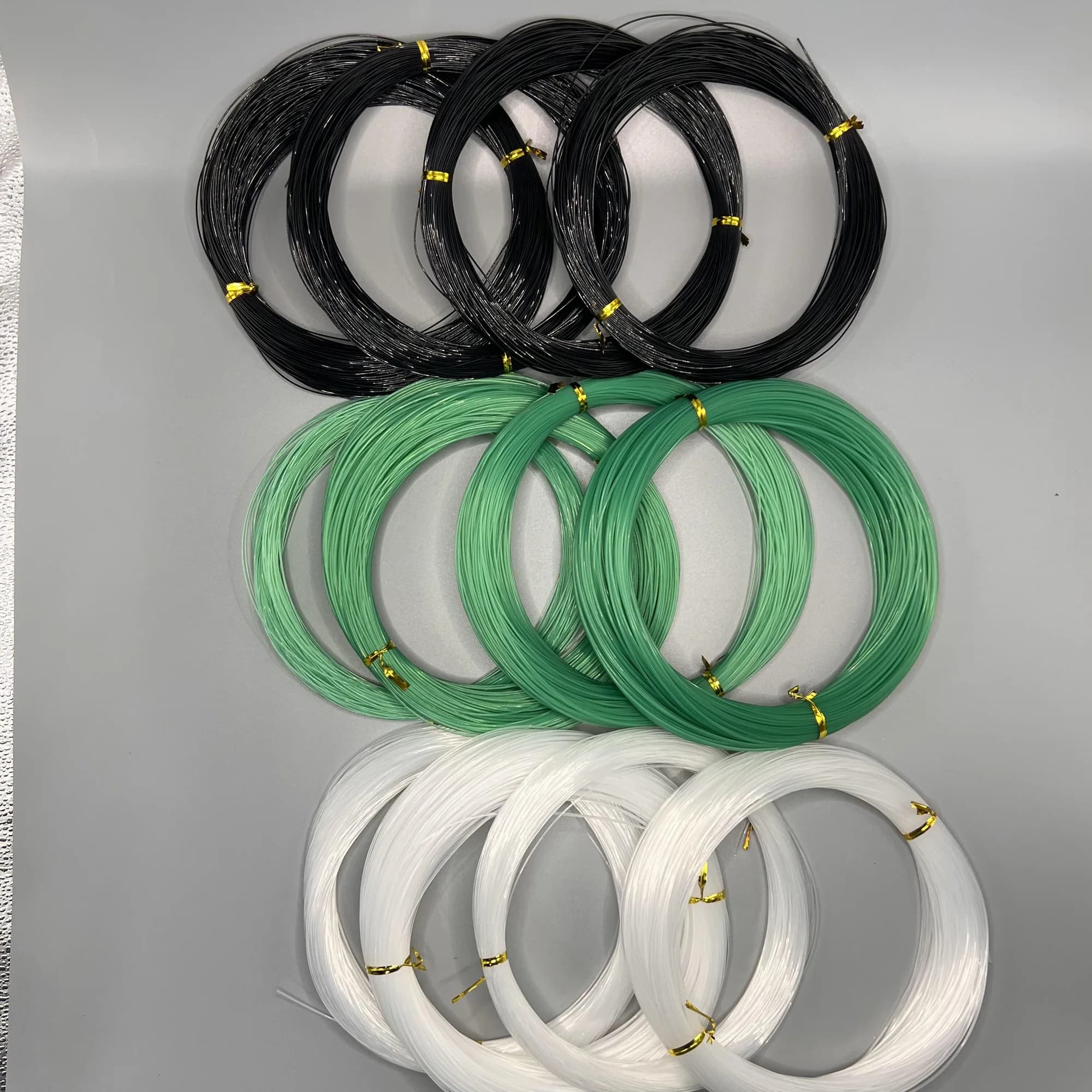
Buying fishing nets from China is not only about finding the lowest unit price. The buyer first needs to make sure that suppliers are quoting the same material, diameter, mesh measurement, depth, knot, stretching and selvage specification. Two offers may appear to describe the same net while referring to products with different construction, dimensions or packing.
A practical sourcing process therefore starts with product identification and a written specification. Importers, distributors and fishing gear companies can then compare quotations on a consistent basis, review a relevant sample and confirm the commercial details before production.
Importer Sourcing Overview
Product Type
Identify netting, finished nets, fishing line or fishing twine.
Specification
Confirm applicable material, size, construction and dimensions.
Sample
Use an approved reference where appearance or local terminology matters.
Quotation
Compare offers on the same product and commercial basis.
Packing / MOQ
Confirm the sales unit, packing and order quantity.
Quality Control
Agree how bulk goods will be checked before shipment.
Start with the Product Type
Identify whether the inquiry concerns finished netting, an assembled net, fishing line or raw twine. This prevents a supplier from interpreting a general request in the wrong product category. Buyers can begin with nylon monofilament fishing nets, nylon multifilament netting, multi-monofilament netting, finished gill nets, cast nets or PE fishing nets. Fishing line and fishing twine should be identified separately because their quotation fields and sales units differ from finished netting.
If the project includes several categories, list each item on a separate RFQ line. Our wholesale fishing nets page provides an overview of the current product range for importers and distributors without treating different constructions as interchangeable.
Prepare a Clear Fishing Net Specification
A useful fishing net specification for quotation normally identifies material, filament diameter or denier and ply, mesh size, depth in meshes (MD), length, SK or DK knot construction, LWSF or DWSF stretching, SSTB or DSTB selvage, color and packing. Not every field applies to every product, but applicable fields should be stated clearly and consistently.
Descriptions such as “green fishing net,” “3 inch net” or “same as photo” are not sufficient for a reliable production quotation. They omit the measurement method and other details that influence material use and the finished dimensions. The How to Read Fishing Net Specifications guide explains the common fields, while separate guides cover SK versus DK knots, LWSF versus DWSF stretching and SSTB versus DSTB selvage.
Confirm How the Mesh Size Is Measured
Mesh terminology can vary between markets and suppliers. A buyer may encounter stretched mesh, square mesh or bar length. If an inquiry states only “3 inches,” the intended opening and finished product may still be unclear. The unit, measurement method and reference condition should be written next to the mesh value.
Do not rely on an assumed conversion rule when the supplier and buyer use different terminology. Confirm the drawing, measurement points or sample instead. The Fishing Net Mesh Size Guide gives buyers a structured way to discuss the measurement without prescribing one universal method.
Make Sure You Are Comparing the Same Specification
A comparable RFQ includes the exact product, specification, quantity, packing and destination. When reviewing offers, check that material, actual diameter or ply, mesh, depth, length, construction and packing match. Also confirm whether the quoted unit is kilograms, pieces, panels, bundles, spools or another agreed basis.
A lower quotation does not necessarily represent the same product. Different net weight, filament size, mesh measurement or packing can change both cost and utility. Ask suppliers to identify any assumptions or substitutions in writing so that the quotation can be compared with the original request.
Check a Sample Before a Larger Order
A fishing net sample can help the buyer review appearance, mesh consistency, knot construction, diameter, color, selvage and packing. Request a representative construction rather than an unrelated stock sample when the order uses a special specification. Photographs and measurements can support the review, but they should not replace an agreed specification.
Sample approval is one checkpoint, not a guarantee that every mass-production detail will automatically be identical. The approved specification, production confirmation and agreed inspection points remain important. Record any accepted sample reference on the purchase documents so it can be linked to the production order.
Compare More Than the Unit Price
Total sourcing cost may include product price, packing, inland transport, export-related charges where applicable, international shipping and destination-related costs depending on the agreed trade term. These elements should be separated where possible rather than hidden inside an apparently simple unit price.
Two quotations cannot be compared directly if one uses less weight, a different line diameter, another mesh definition or lighter packing. Keep the commercial unit and technical specification consistent. Buyers should also confirm what is included in the quotation and which costs remain payable at origin or destination, without assuming a shipping time or charge before the route and terms are known.
Confirm MOQ and Export Packing
MOQ depends on the product, specification, color, packing and production requirements. A single minimum should not be applied to every net, line or twine. State the estimated order quantity and unit early so the China fishing net supplier can review production feasibility and prepare the correct price basis. Our Fishing Net MOQ guide explains what buyers should provide for review.
Export packing may include a PE inner bag, woven outer bag, bundle, carton or buyer-specified arrangement where available. Not every method suits every product. Confirm the number or weight per package, labels, marks and outer dimensions when those details affect distribution or container planning. For a detailed packing checklist, see our Fishing Net Packing for Export guide. Buyers preparing bulk orders can review the commercial process on the Wholesale Fishing Nets page.
Check Key Quality Points Before Shipment
A practical fishing net quality inspection should refer back to the approved order specification. Depending on the product, checkpoints can include material confirmation, line diameter or ply, mesh size and measurement method, depth, length, knot, stretching direction, selvage, weight and packing. For a detailed process, see our Fishing Net Quality Inspection Before Shipment guide.
Agree which measurements will be checked, how samples will be selected and what documents or photographs are required. Avoid adding a new test after production unless both parties understand the method and acceptance criteria. Inspection is most useful when it verifies written requirements rather than relying on general statements about quality.
Confirm Destination and Shipping Requirements Early
Provide the destination country and port, delivery address when relevant, quantity, packing and preferred trade term if known. This information helps suppliers identify the quotation scope and assess whether packing details need adjustment for shipment.
Shipping availability, costs and transit time can change, so they should be confirmed for the actual order rather than copied from an earlier shipment. Importers should also check destination requirements with their own logistics and customs advisers before finalizing documents or packing marks.
Already Have an Existing Fishing Net?
If you already purchase a fishing net from another supplier but do not know the full specification, a product label, photo, PDF or physical sample can be used as a starting point. Unknown local twine numbers or mesh terms should be confirmed instead of guessed.
Use our Specification Matching service to organize the known details and identify questions that still require confirmation. For buyer-defined colors, packing or construction, the OEM & Custom page explains the customization fields that can be reviewed.
Fishing Net RFQ Checklist
- Product type
- Material
- Diameter / Denier / Ply
- Mesh size
- Mesh measurement method
- Depth
- Length
- Knot
- Stretching
- Selvage
- Color
- Quantity
- Packing
- Destination
- Photo / label if available
A complete fishing net RFQ makes supplier responses easier to compare. If some fields remain unknown, mark them for review instead of inserting an assumed value.
Frequently Asked Questions
What information do I need to buy fishing nets from China?
Start with the product type, material, diameter or denier and ply, mesh size and measurement method, depth, length, construction, quantity, packing and destination. Include a photo, label or existing specification when available.
Can I get a quotation if I do not know the full specification?
Yes, but the quotation may need clarification before it becomes comparable. Send the information you have and use Specification Matching when a label, photo, PDF or physical sample is available.
Should I request a sample before placing a bulk order?
A representative sample can help confirm appearance, mesh, knot construction, diameter, color, selvage and packing. Approved specifications and production confirmation remain important because a sample alone does not guarantee every future production detail.
Why do fishing net quotations from different suppliers vary?
Suppliers may be quoting different materials, actual diameters or ply, mesh measurement methods, dimensions, constructions, packing formats or sales units. Compare the complete specification and commercial basis, not only the unit price.
Can I send my existing fishing net label for matching?
Yes. A label, product photo, PDF or physical sample can be used as a starting point. Unfamiliar local twine numbers and mesh terms should still be confirmed rather than guessed.
What packing information should I provide for a wholesale order?
State the required sales unit and any inner and outer packing expectations, labeling needs, estimated quantity and destination. Available packing depends on the product and confirmed order requirements.
Ready to Source Fishing Nets from China?
Send us your product type, specification, quantity and destination. If you only have an existing label or product photo, start with Specification Matching.