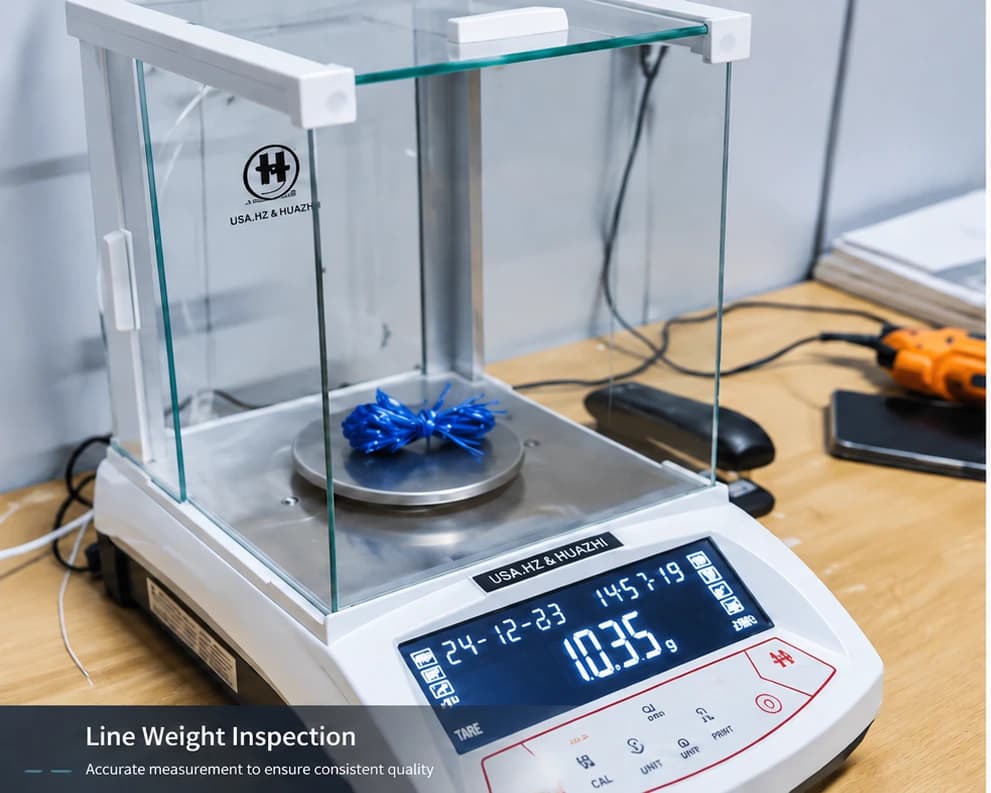
A fishing net may look correct at first glance but still differ from the approved specification in diameter, mesh measurement, depth, knot construction, stretching direction, selvage or packing. The purpose of fishing net quality inspection is not to decide whether the goods “look close enough.” It is to compare the finished goods against the approved specification.
Importers, wholesalers and distributors should define the inspection reference before shipment. A practical fishing net QC checklist helps the buyer and inspector examine the same fields, record differences and decide whether clarification or corrective action is needed before the cargo leaves.
Start with the Approved Specification
Inspection should begin with the final approved order document, not an early inquiry or general product photo. The reference should identify product type, material, diameter or denier and ply, mesh size, mesh measurement method, depth, length, knot, stretching, selvage, color, packing and quantity. If a tolerance or sample reference was agreed, keep it with the inspection instructions.
If the original specification is unclear, later QC cannot reliably determine whether the goods conform. Use the fishing net specification guide to organize technical fields. Buyers planning a new import can also review How to Buy Fishing Nets from China before quotation and sample approval.
Quality Points to Check
Material
Confirm the agreed filament and material type.
Diameter / Ply
Compare diameter, denier or ply with the approved specification.
Mesh Size
Measure using the agreed mesh measurement method.
Knot
Confirm SK, DK or knotless construction.
Stretching
Check LWSF or DWSF where specified.
Selvage
Confirm the agreed edge construction.
Check the Material and Filament Type
Confirm that the product category and filament construction match the order: nylon monofilament, nylon multifilament, multi-monofilament or PE. This distinction affects which measurements and specification terms apply. For example, nylon monofilament netting is normally identified by filament diameter, while nylon multifilament netting commonly uses denier and ply notation.
Visual review can identify an obvious mismatch in filament type, but it may not verify polymer grade or composition. Laboratory testing may be required for material verification beyond visual inspection. Any such requirement and test method should be agreed before production rather than introduced only after goods are complete.
Check Diameter, Denier or Ply
For monofilament products, inspect the filament diameter at multiple representative points. A suitable digital caliper or micrometer can be used where appropriate, provided the measuring method does not compress or distort the filament. Record the instrument, locations and readings so the result can be reviewed.
Multifilament netting and twine may be specified by denier, ply and construction. Confirm the order notation and do not substitute an unfamiliar local twine number without explanation. Fishing net diameter inspection and yarn checks should compare measured or documented values against the approved tolerance if one has been agreed. This guide does not impose a universal tolerance.
Check Mesh Size Using the Correct Measurement Method
Fishing net mesh inspection should use the method stated in the approved specification. Confirm whether the value means stretched mesh, square mesh or bar length. A description such as “3 inch” may still be incomplete if the method and measurement points are not defined.
Do not measure only one opening. Check multiple points across representative sections and note whether the netting is relaxed or stretched according to the agreed method. The Fishing Net Mesh Size Guide explains why buyers and suppliers must use the same terminology without assuming an unconfirmed conversion.
Check Depth and Length
Depth is commonly confirmed by MD or mesh count where that is the agreed specification. Count representative sections carefully and check that selvage or edge construction is treated consistently with the order. For finished gill nets, also distinguish netting depth from the dimensions of the assembled product.
Check length using the unit and condition defined in the order, such as meters, yards, panel length or bundle specification. Do not create a new stretching or tension rule during inspection. Sampling multiple panels or bundles gives a more useful view of consistency than checking one convenient piece.
Check Knot Construction
Confirm whether the approved netting is SK, DK or knotless. For knotted products, examine the knot type, consistency, loose junctions and obvious damaged sections. A close-up reference image or approved sample can help inspectors distinguish the required construction.
Double knot is not automatically “better quality” than single knot. Different constructions suit different specifications and buyer requirements. Use the SK vs DK fishing net guide to define the junction before adding fishing net knot quality checks to the inspection sheet.
Check Stretching Direction
Confirm whether the order calls for LWSF or DWSF and verify the supplied orientation against the approved specification. Stretching direction can affect how netting is supplied, measured and assembled, so an incorrect orientation can create problems even when the basic material and mesh appear correct.
The LWSF vs DWSF guide explains the terminology. Inspection should follow the buyer-confirmed dimensions and orientation rather than infer direction from how a bundle happens to be folded.
Check Selvage Construction
Inspect whether the order requires SSTB, DSTB or another buyer-specified edge construction. Check the correct selvage type, the top and bottom configuration where specified, consistency along the edge and any obvious loose or damaged sections.
Selvage requirements should remain separate from the knot and stretching fields. The SSTB vs DSTB buyer guide provides a focused reference for describing the edge construction used in the purchase order and QC record.
Check Color, Weight and General Appearance
Compare color with the approved sample, reference or written requirement under suitable lighting. Review cleanliness, broken filaments, obvious contamination, damaged sections and inconsistent knots or mesh. Record the location and extent of any issue rather than relying on a general pass or fail comment.
Check bundle or unit weight when weight is part of the specification or packing instruction. Heavier does not automatically mean better quality; weight is one reference for consistency with the confirmed construction, dimensions and packing. For PE fishing nets, the same principle applies: inspect the agreed netting fields instead of judging only by appearance.
Check Packing and Product Labels
Fishing net packing inspection should confirm quantity per bundle or package, inner packing, outer packing, buyer label, specification label, woven bag or carton condition and shipping marks where required. Check that labels match the product inside and that different specifications are not mixed without clear identification.
Private-label artwork and custom packing should be checked against the approved files and packing requirement. See our Fishing Net Packing for Export guide for packing formats, labels and shipment details. Available formats depend on the product and order. Buyers can review customization fields through OEM & Custom, while larger commercial orders can use the Wholesale Fishing Nets page to organize quantity and packing information.
Sample Approval Does Not Replace Bulk Inspection
An approved sample provides a useful reference for construction, appearance and specification. It does not guarantee that all bulk goods are identical. The finished order should still be checked for consistency, quantity, packing, batch differences and the agreed product fields.
Fishing Net Pre-Shipment QC Checklist
- Correct product type
- Correct material / filament
- Diameter / Denier / Ply
- Mesh size
- Mesh measurement method
- Depth
- Length
- Knot type
- Stretching
- Selvage
- Color
- Unit / bundle weight if specified
- Quantity
- Packing
- Labels / marks
- Obvious damage or contamination
- Photos / inspection records
This fishing net inspection checklist should be adapted to the approved order rather than used as a substitute for it. Record inspected quantities, samples and findings so differences can be evaluated before shipment.
Frequently Asked Questions
What should I check before a fishing net shipment?
Compare the goods with the approved product specification, including material, diameter or denier and ply, mesh, depth, length, construction, color, quantity and packing. Record the inspection results and any differences before shipment.
How do I check fishing net mesh size?
Use the measurement method agreed in the order, such as stretched mesh, square mesh or bar length, and check more than one location. A mesh value without its method may not be enough to determine conformity.
How can I check monofilament diameter?
A suitable digital caliper or micrometer may be used where appropriate, with readings taken from multiple representative points. Compare the result with the approved diameter and tolerance if one was agreed.
Should I inspect every fishing net bundle?
Not necessarily. Larger orders may use a documented sampling plan instead of checking every bundle, provided the buyer accepts the method. Any formal AQL or third-party standard should be agreed before inspection.
Is an approved sample enough for bulk production?
No. A sample is a useful reference, but bulk goods should still be checked for specification, consistency, quantity, packing and batch differences. The written order requirements remain the main inspection reference.
Can a third-party inspection company inspect fishing nets?
Yes. A buyer may appoint an independent inspection company when required. Give the inspector the approved specification, sample reference, packing instructions and agreed inspection method before the visit.
Need a Clear Specification Before Quality Inspection?
Quality inspection works best when the original fishing net specification is clear. If you are sourcing a new product or matching an existing net, send us the available specification, label or sample photo first.